


Can You Really Change the World Starting With One Choice?
The world feels broken, but what if the solution isn’t out there—it’s within you? Every thought, every reaction, every choice shapes…


For every 10 degrees north from the equator you move, spring arrives about four days earlier than it did a decade ago, a new study suggests.
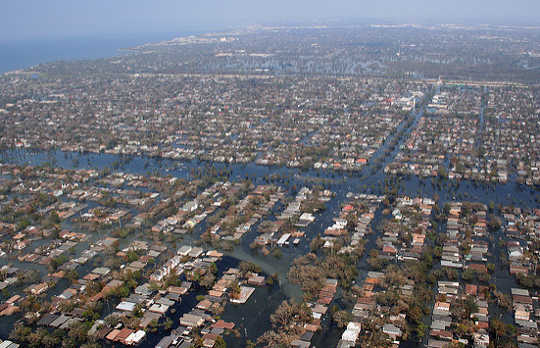
Over the last 30 years, floods have killed more than 500,000 people globally, and displaced about 650m more. In a paper published by the Centre for Economic Performance, we examined why so many people are hit by devastating floods.
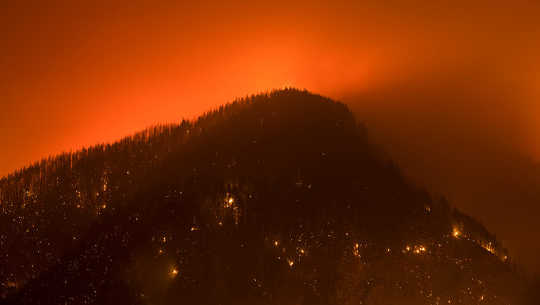 When fires, floods and other major disruptions alter natural areas, our first instinct is to restore what’s lost. But moving forward may mean leaving some treasured things behind.
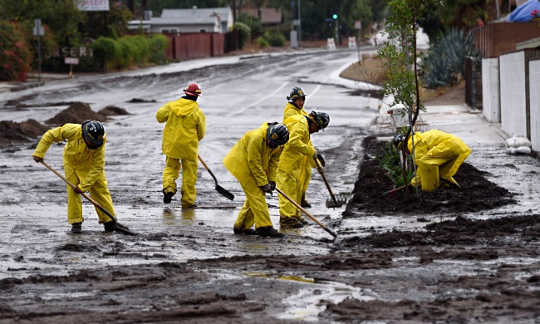
The Trump administration, and its allies in Congress, are fighting a losing war. They continue to press forward for the development of oil, gas, and coal when the rest of the world understands the implication of that folly. Global warming is the most pressing issue for our time.
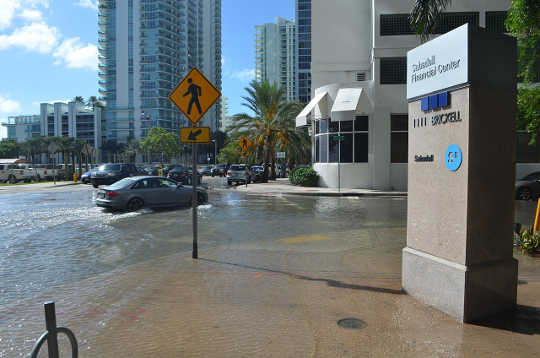 Many scientists have found evidence that climate change is amplifying the impacts of hurricanes. For example, several studies just published in December 2017 conclude that human-induced climate change made rainfall during Hurricane Harvey more intense. But climate change is not the only factor making hurricanes more damaging.
 Humans are probably contributing more methane to the atmosphere through fossil fuel use and extraction than scientists previously believed, report researchers.
 Some aspects of climate change could benefit certain forms of agriculture in the Northeastern United States, new research suggests—though the researchers caution that there are many variables in the future scenario they envision.

Microbes in permafrost that eat sun-weakened carbon and convert it into carbon dioxide may be providing a major pathway for the greenhouse gas to enter the atmosphere, new research suggests.
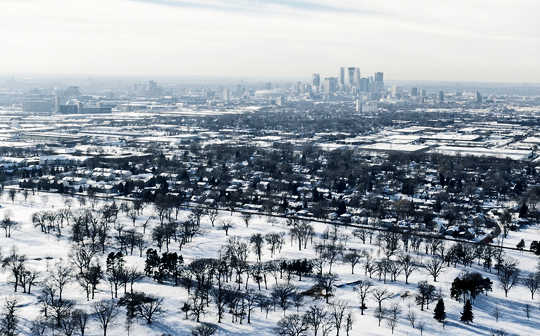 A new study outlines some of the effects that climate change will have on northern cities with cold climates, including in Europe and the North America.
 What we believe and how we act don’t always stack up. Recently, in considering what it means to live in a post-truth world, I had cause to examine my understanding of how the world works and my actions on sustainability.
 One of the largest icebergs ever recorded has just broken away from the Larsen C Ice Shelf in Antarctica.
 In the year 2100, 2 billion people—about one-fifth of the world’s population—could become refugees due to rising ocean levels.
 The hottest year on record was 2016. It was also the year scientists advised that Earth’s citizens were now living in the Anthropocene Epoch.
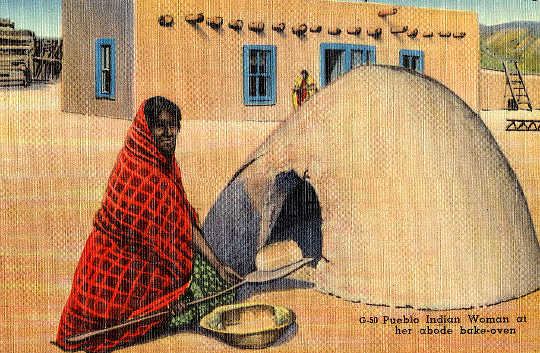 Seeing how a new crop or missing animal affects the food web of the Ancestral Puebloan southwestern United States could shed light on the future of our food.
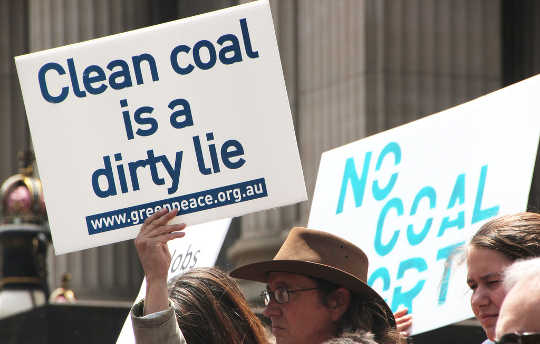 If citizens have heard anything about the upheaval in the U.S. coal industry, it is probably the insistence that President Obama and the EPA have waged a “war on coal.”
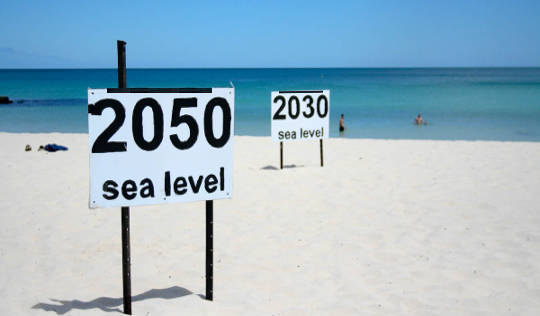 When we think of coasts, we are likely to think about the great sandy beaches that have been the destination for many day trips and long weekends.
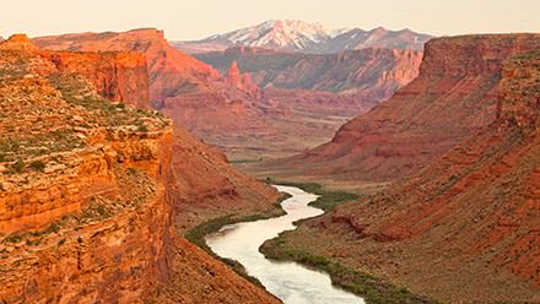 Warming in the 21st century has reduced Colorado River flows by at least 0.5 million acre-feet—about the amount of water used by 2 million people for one year, a new study warns.
 While increases in population and wealth will lift global demand for food by up to 70% by 2050, agriculture is already feeling the effects of climate change.
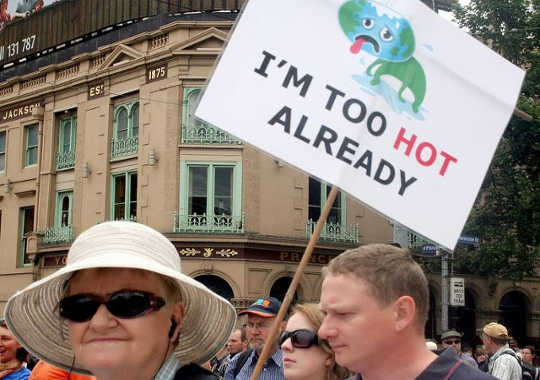 The heatwave that engulfed southeastern Australia at the end of last week has seen heat records continue to tumble like Jenga blocks.
 The increase in large-scale tornado outbreaks in the US doesn’t appear to be clearly linked to climate change, a new study suggests.
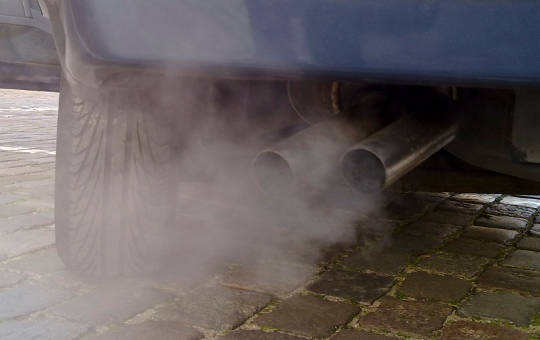 What, quantitatively, is the social cost of carbon dioxide—the economic damage caused by a 1-ton increase in emissions or the benefits of a 1-ton decrease?
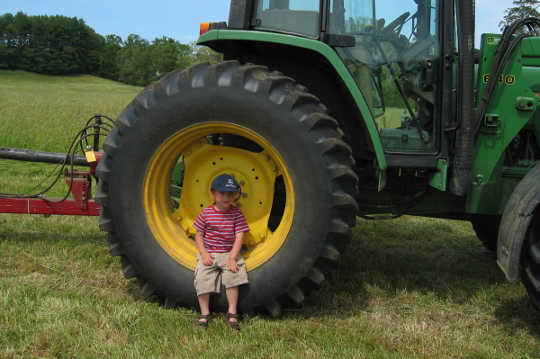 Technological advances wouldn’t protect US agriculture from a drought on the scale of the legendary Dust Bowl crisis of the 1930s, research shows.
 Global climate change has already impacted every aspect of life on Earth, from genes to entire ecosystems, according to a new study in Science.